Three days in Vienna is enough for a strong first visit if you organise the city by area and resist turning every palace and museum into a compulsory stop. The historic centre can fill one day, the Belvedere and Ringstrasse another, and Schönbrunn a third. The mistake is to scatter each day across distant attractions and spend the trip watching the clock.
This itinerary gives each day one main reservation and a walkable group of supporting sights. It is designed for travellers who want imperial history, major art, city architecture, and time for a café or an unplanned street. You can change the museum choices without breaking the route.
Before you book: make three decisions
- Choose your priority palace. The Hofburg and Schönbrunn tell connected imperial stories, but visiting every interior can dominate a short trip.
- Choose your main art museum. Upper Belvedere, Kunsthistorisches Museum, Albertina, and Leopold Museum each deserve real time. Pick one or two rather than rushing through all four.
- Book one timed attraction per day. Fixed entries give the day structure; too many reservations remove the freedom that makes central Vienna enjoyable on foot.
Check current opening days, exhibitions, ticket conditions, and transport updates on official sites. The sequence below is more durable than exact hours, which can change by season.
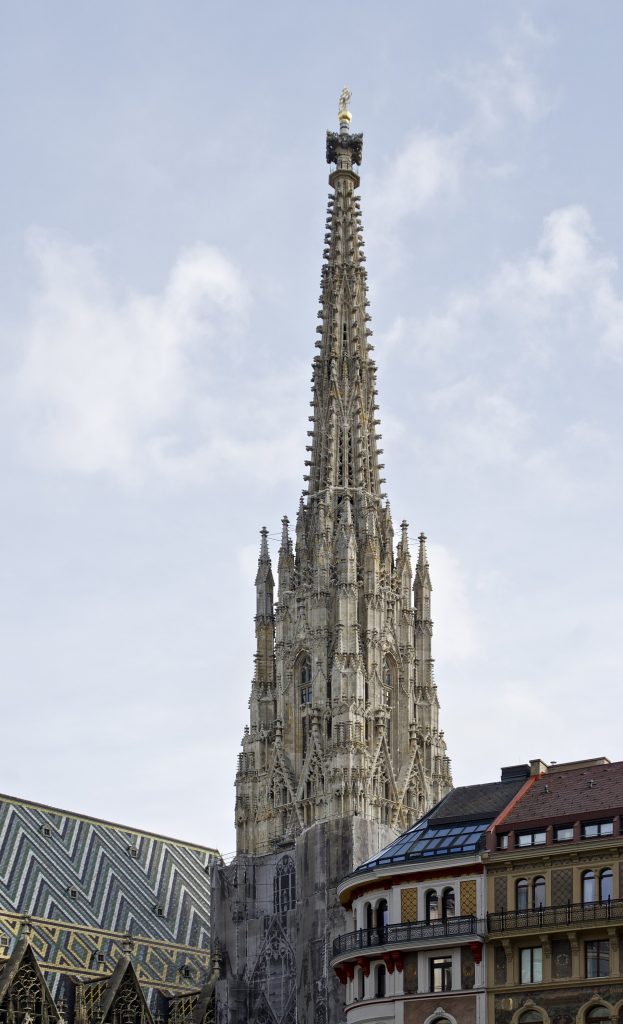
Day 1: the historic centre and Hofburg
Begin with Vienna’s compact Innere Stadt. This is the right day to understand the city’s imperial centre before seeing its larger palaces and museum collections. Start around St. Stephen’s Cathedral, then move west through the old streets toward the Hofburg complex.
Morning: St. Stephen’s and the old city
Use St. Stephen’s Cathedral as the first anchor. From here, explore the surrounding pedestrian streets slowly rather than following the shortest line to the next landmark. Graben, Kohlmarkt, and the smaller streets around them reveal how the cathedral, former court, shops, and public squares sit within a surprisingly tight centre.
If you plan to enter the cathedral’s paid areas, climb a tower, or join a tour, check the cathedral’s current visitor information before the trip. Otherwise, the exterior and main public space still give the route a clear starting point.
Late morning and early afternoon: choose one Hofburg experience
The Hofburg is a complex, not a single room-by-room attraction. Decide what you actually want from it. The imperial apartments and Sisi-focused displays suit visitors interested in court life. The Imperial Treasury is the better choice if crowns, dynastic objects, and political symbolism are the priority. The Spanish Riding School requires its own schedule and should be treated as the day’s reservation rather than an automatic add-on.
After the chosen visit, cross Heldenplatz and continue toward the Ringstrasse. Pause for lunch before entering another major collection. Museum fatigue arrives faster than most itineraries admit.
Afternoon: one museum or a Ringstrasse walk
For a collection-heavy day, choose the Kunsthistorisches Museum or Albertina. For a lighter afternoon, walk part of the Ringstrasse and see the major civic buildings from outside. The Vienna Tourist Board’s official three-day framework groups the old city, Hofburg, and central museums for good reason: moving between them is simple, and dropping one stop does not derail the day.
Evening: leave it flexible
Do not make the first evening dependent on a tight dinner or performance connection after a full travel day. If you want an opera, concert, or theatre performance, book it as the evening’s main event and shorten the afternoon museum plan. Otherwise, use the evening to revisit the streets around the centre without a checklist.
Day 2: Belvedere, the Ring, and MuseumsQuartier
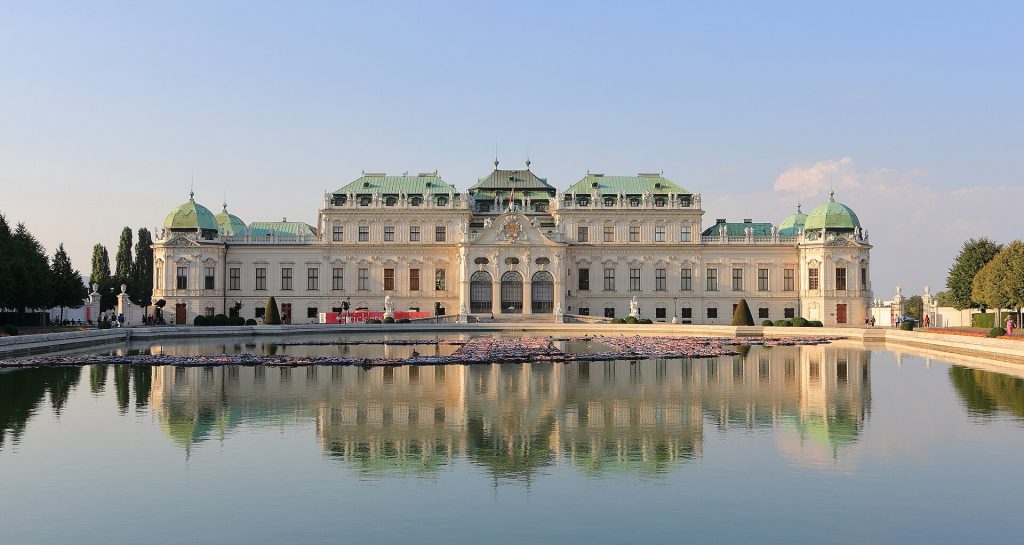
Day two combines one important art reservation with Vienna’s public architecture. Upper Belvedere is the natural anchor for many first-time visitors. The museum’s official guidance says that Upper and Lower Belvedere visits require valid time-slot tickets, so choose the location and entry before building the rest of the day.
Morning: Upper Belvedere
Book an earlier time slot if you prefer to begin with the collection while your attention is fresh. Belvedere consists of several locations, and “visiting the Belvedere” does not require completing all of them. For a three-day first visit, Upper Belvedere is usually the most practical single choice; add another location only if its current exhibitions are a genuine priority.
Give the palace setting and gardens time as well as the galleries. A museum visit becomes much less satisfying when the itinerary treats every room as a corridor to the most famous work.
Midday: move back toward the Ringstrasse
After Belvedere, return toward the centre and walk a section of the Ring. The State Opera, Burggarten, Heldenplatz, Parliament, City Hall, and Burgtheater can be combined in different lengths. Choose the stretch that connects naturally with your lunch and afternoon plan.
If weather or mobility makes a long architectural walk unattractive, use public transport for part of the Ring and concentrate on two or three stops. The goal is to understand the scale of nineteenth-century Vienna, not to complete a full circuit.
Afternoon: MuseumsQuartier or a second focused collection
MuseumsQuartier works well as an afternoon destination because it offers more than a single admission. Visitors interested in Austrian modernism can choose the Leopold Museum; others can use the courtyards and surrounding streets as a lower-intensity counterpoint to the morning.
If the Kunsthistorisches Museum was skipped on day one and is essential to you, use this afternoon for it instead. Avoid placing two large collections back to back unless art is the central purpose of the trip.
Evening: match the plan to your energy
A formal performance can fit well on this night, but check the venue, start time, dress expectations, and ticket source in advance. If you have no reservation, the areas around Neubau, the centre, or the canal offer different evening rhythms. Choose based on where the day ends rather than crossing the city for a single restaurant name.
Day 3: Schönbrunn without rushing it
Schönbrunn deserves its own half-day or more. It sits outside the historic core, and its palace, park, gardens, viewpoints, zoo, and special attractions can easily exceed the time available. Treat the palace interior and the park as the core; everything else is optional.
Morning: palace reservation
Pre-book a suitable palace ticket through the official seller and check the current opening schedule. Schönbrunn’s official information notes that admission products use defined entry arrangements and that hours vary across the palace, park, and special attractions.
Arrive with enough margin to find the correct entrance. The official transport guidance lists the U4 underground to Schönbrunn, trams 10 and 60 to Schloss Schönbrunn, and bus 10A to Schloss Schönbrunn. Use the route that makes sense from your accommodation and verify service conditions on the day.
Late morning: the park and Gloriette
The palace park can be visited separately from the interior, while special garden attractions may require their own tickets and operate on different seasonal schedules. Decide whether the uphill walk toward the Gloriette fits your mobility and weather conditions. The view is a reward, but it should not turn the rest of the visit into a race.
If you prefer gardens and landscape to furnished rooms, spend less time inside and more in the park. Families may choose the zoo or maze instead of another palace section. A useful Schönbrunn plan is selective by design.
Afternoon: choose a final Vienna contrast
After Schönbrunn, select one final experience based on what the first two days lacked:
- Prater for open space and an amusement-park atmosphere;
- the Danube or canal area for a different view of the modern city;
- Naschmarkt and nearby streets for an urban walk, while checking current market activity;
- a missed central museum only if you still have the attention for it;
- an unplanned café and neighbourhood walk if the itinerary has already delivered enough landmarks.
The final afternoon should absorb delays and preferences discovered during the trip. Keeping it flexible is a planning feature, not empty space.
How to adapt the itinerary
For art-first travellers
Keep Upper Belvedere, then add one of Kunsthistorisches Museum, Albertina, or Leopold Museum. Reduce palace interiors and protect at least one outdoor walk between collections.
For imperial-history travellers
Prioritise one Hofburg interior, the Treasury if relevant, and Schönbrunn. Use the Ringstrasse to connect the political and civic story of the city. Skip a second large art museum.
For families
Shorten interior visits, keep parks and courtyards, and consider the Prater or Schönbrunn Zoo as a major activity rather than an extra. Confirm age rules, accessibility, and current tickets with each official venue.
For limited mobility
Reduce long walking chains and check official accessibility information for each venue. Central Vienna’s surfaces, palace grounds, station corridors, and the climb within Schönbrunn Park can affect the day even when distances look short on a map. Build around fewer anchors and use direct transport between them.
For rain or extreme weather
Move the major museum to the worst-weather period and keep the Ringstrasse or palace gardens flexible. Do not assume every timed ticket can be changed; review conditions before booking.
What to reserve and what to leave open
- Reserve: your chosen Hofburg experience if timed, Upper Belvedere, Schönbrunn Palace, and any evening performance you would regret missing.
- Check shortly before visiting: opening hours, temporary closures, exhibitions, public transport notices, and park or garden conditions.
- Leave flexible: cafés, the exact Ringstrasse walking section, neighbourhood wandering, and the final afternoon.
Three days work best when the reservations create structure without controlling every hour.
A three-day Vienna trip needs editing, not more stops
Vienna rewards attention. One palace interior, one major art collection, one well-paced central walk, and a half-day at Schönbrunn can produce a fuller first visit than a list twice as long. Group the city geographically, book one anchor per day, and let the final afternoon respond to your interests and energy.
If you leave with one important museum unseen, you have a reason to return. If you spend three days hurrying through entrances, the itinerary has missed the point.