

Istanbul is one city on two continents, and where you sleep decides how much of each day you spend on trams, funiculars and ferries. Most first-time visitors choose between four bases: Sultanahmet on the historic peninsula, Karaköy and Galata just across the Golden Horn, Beyoğlu around İstiklal Avenue and Taksim, or Kadıköy on the Asian side.
The short answer: stay in Sultanahmet if monuments are the whole point of a short trip, Karaköy or Galata if you want the best balance of sights, transport and evenings, Beyoğlu if nightlife and culture matter most, and Kadıköy if you prefer a residential food-and-café base and do not mind starting sightseeing days with a ferry.
The quick comparison
| Base | Best for | Main trade-off | Key rail or ferry link |
|---|---|---|---|
| Sultanahmet | First visits built around Hagia Sophia, Topkapı Palace and the Basilica Cistern | Evenings are quieter and more visitor-focused; other districts need a tram or ferry | T1 tram |
| Karaköy and Galata | Balanced trips that mix sights, food and evenings | Steep streets and a busy waterfront | T1 tram, ferries, historic tunnel to Beyoğlu |
| Beyoğlu (İstiklal, Taksim, Şişhane) | Nightlife, galleries, cinemas and late dinners | Crowds and noise near İstiklal; the old city needs a change of line | M2 metro, F1 funicular |
| Kadıköy | Repeat visitors, food-focused trips, a more local feel | Every historic-peninsula day begins with a Bosphorus crossing | Ferries, M4 metro |
How to choose in three questions
- How many days do you have? On a two- or three-day first visit, the walking access of Sultanahmet or the tram access of Karaköy saves the most time. With four days or more, Beyoğlu or Kadıköy become easier to justify.
- What do you want from your evenings? If you want to walk out to bars, music and late restaurants, Beyoğlu, Galata and Kadıköy fit better than the historic peninsula.
- Which airport are you using? Kadıköy sits on the M4 metro to Sabiha Gökçen Airport, while the M2 line through Taksim connects at Gayrettepe with the M11 line to Istanbul Airport. Check the final walk from the station to your hotel, especially with luggage on hills.
Sultanahmet: stay here if the monuments are the priority
Sultanahmet is the visitor heart of the historic peninsula, the walled old city bounded by the Golden Horn, the Bosphorus and the Sea of Marmara. Hagia Sophia, the Blue Mosque, the Hippodrome, Topkapı Palace, the Basilica Cistern, Gülhane Park and the archaeology museums are all on the peninsula, and the Grand Bazaar and Spice Bazaar are close by.
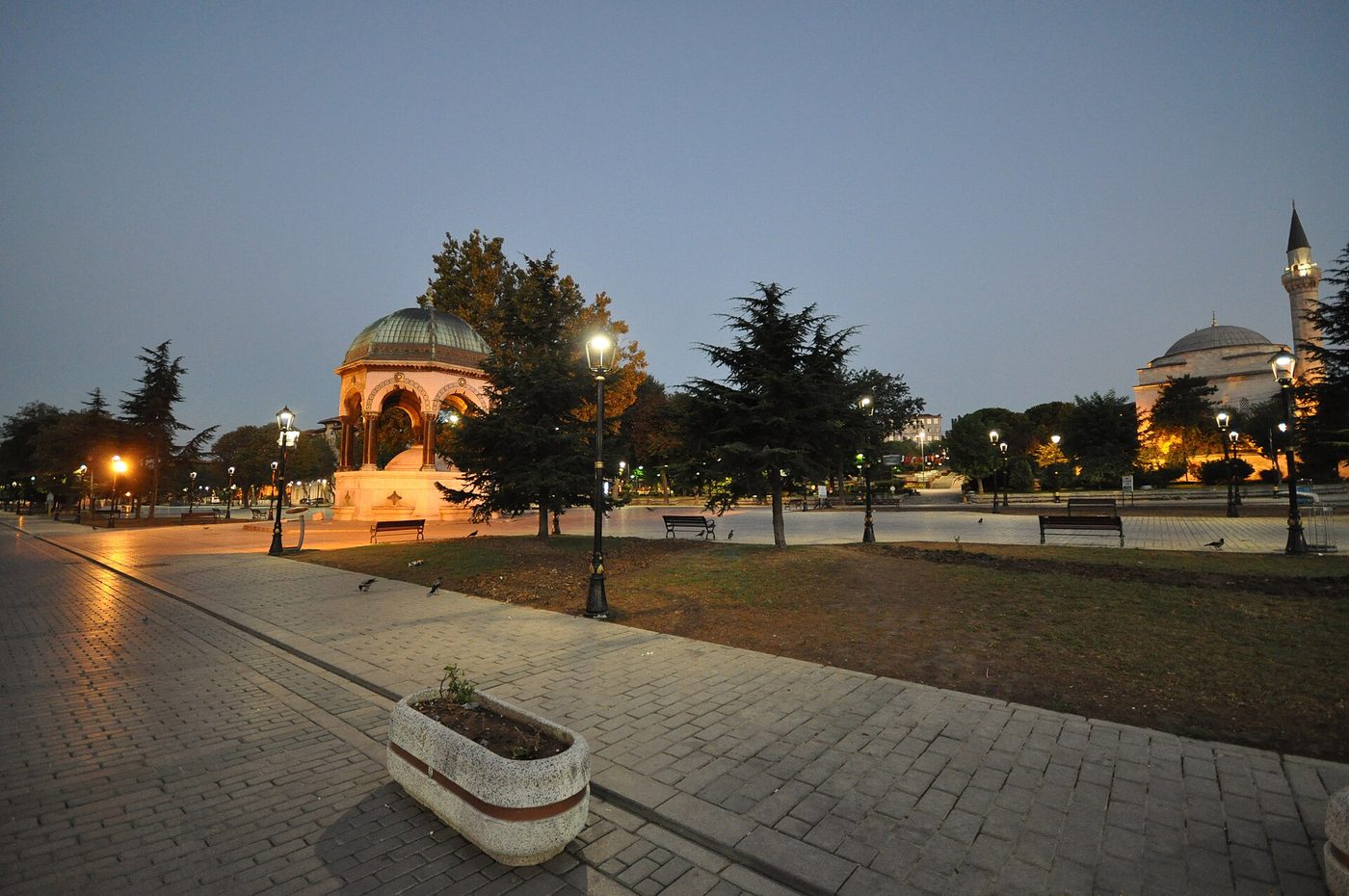
The advantage is time. You can be at the first monument when it opens and return to your room between sights. That suits short trips, early starts, families and travellers who want to minimise transport.
The trade-off is atmosphere after dark. The streets closest to the monuments cater mainly to visitors, and if you want the city’s livelier dining and bar scenes you will be crossing to Karaköy, Beyoğlu or Kadıköy anyway. The T1 tram helps: Metro Istanbul’s T1 Kabataş–Bağcılar line runs through the peninsula, over the Galata Bridge to Karaköy and on to Kabataş, with connections to Marmaray at Sirkeci and to the F1 funicular at Kabataş.
Choose Sultanahmet if
- this is your first visit and you have three days or fewer;
- you plan to visit several major monuments and want to start early;
- you prefer quieter evenings to nightlife.
Karaköy and Galata: the most balanced base for most first visits
Karaköy sits on the waterfront directly across the Golden Horn from Eminönü, with Galata rising steeply behind it to Galata Tower. GoTürkiye describes the area as a mix of old and new: the Kamondo Steps, historic banks and mosques, Galata Tower and Istanbul Modern near the old docks.
For a first trip this is often the most practical compromise. The T1 tram stop in Karaköy puts the historic peninsula a short ride away across the Galata Bridge. Ferries from Karaköy cross to Kadıköy and Üsküdar on the Asian side. Uphill, the historic Tünel funicular links Karaköy with the Beyoğlu end of İstiklal Avenue, and Galata itself is within walking distance of İstiklal.
The trade-offs are physical. Galata’s streets are steep and often cobbled, so look closely at the exact address if you are travelling with heavy luggage, a pushchair or limited mobility. The waterfront is busy with traffic and ferry passengers, so rooms facing the main roads may be noisier than those on side streets.
Choose Karaköy or Galata if
- you want both the old city and the evening districts within easy reach;
- you plan at least one ferry trip to the Asian side;
- you are comfortable with hills, or can choose a hotel near the tram and waterfront.
Beyoğlu around İstiklal and Taksim: for nightlife and culture
Beyoğlu is Istanbul’s best-known cultural and nightlife district. İstiklal Avenue runs from the Tünel end to Taksim Square and is lined with cafés, bars, restaurants, historic cinemas, theatres and shops, with the nostalgic red tram running along it. The district also hosts major film, music, theatre and jazz festivals.
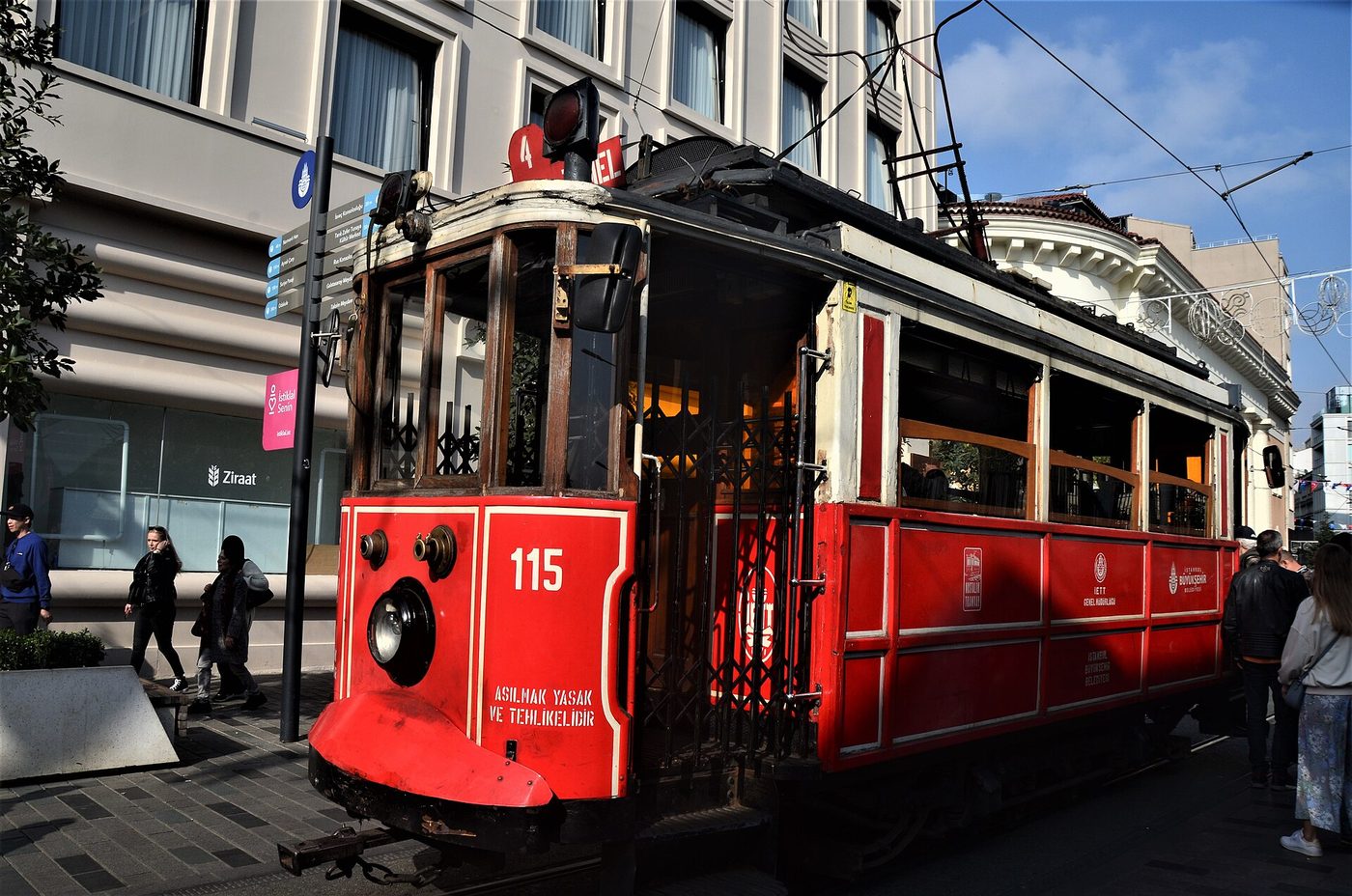
Transport is the other strength. The M2 metro stops at Şişhane and Taksim, and the F1 funicular drops from Taksim to Kabataş, where you can switch to the T1 tram or ferries. Further north, the M2 connects at Gayrettepe with the M11 line to Istanbul Airport, which makes Taksim or Şişhane a convenient base if you fly through IST.
The trade-off is intensity. İstiklal is one of the busiest streets in the city, and buildings on or just off it can be loud late into the night. Side streets towards Cihangir or Galata are often calmer, but check the exact street before you book. The historic peninsula is a change of line away rather than a single tram ride.
Choose Beyoğlu if
- bars, live music, galleries and late dinners are central to your trip;
- you are arriving at or leaving from Istanbul Airport;
- you sleep well in a lively area, or choose a side street carefully.
Kadıköy: for a local, food-focused stay on the Asian side
Kadıköy is on the Anatolian side, a ferry ride from the historic peninsula. GoTürkiye describes it as youthful and relaxed, with third-wave coffee shops, bookshop cafés, bars and casual restaurants spreading out from the ferry port, and with Moda to the south and Yeldeğirmeni, known for street murals, to the north. Our guide to Istanbul’s markets covers Kadıköy’s market streets in more detail.
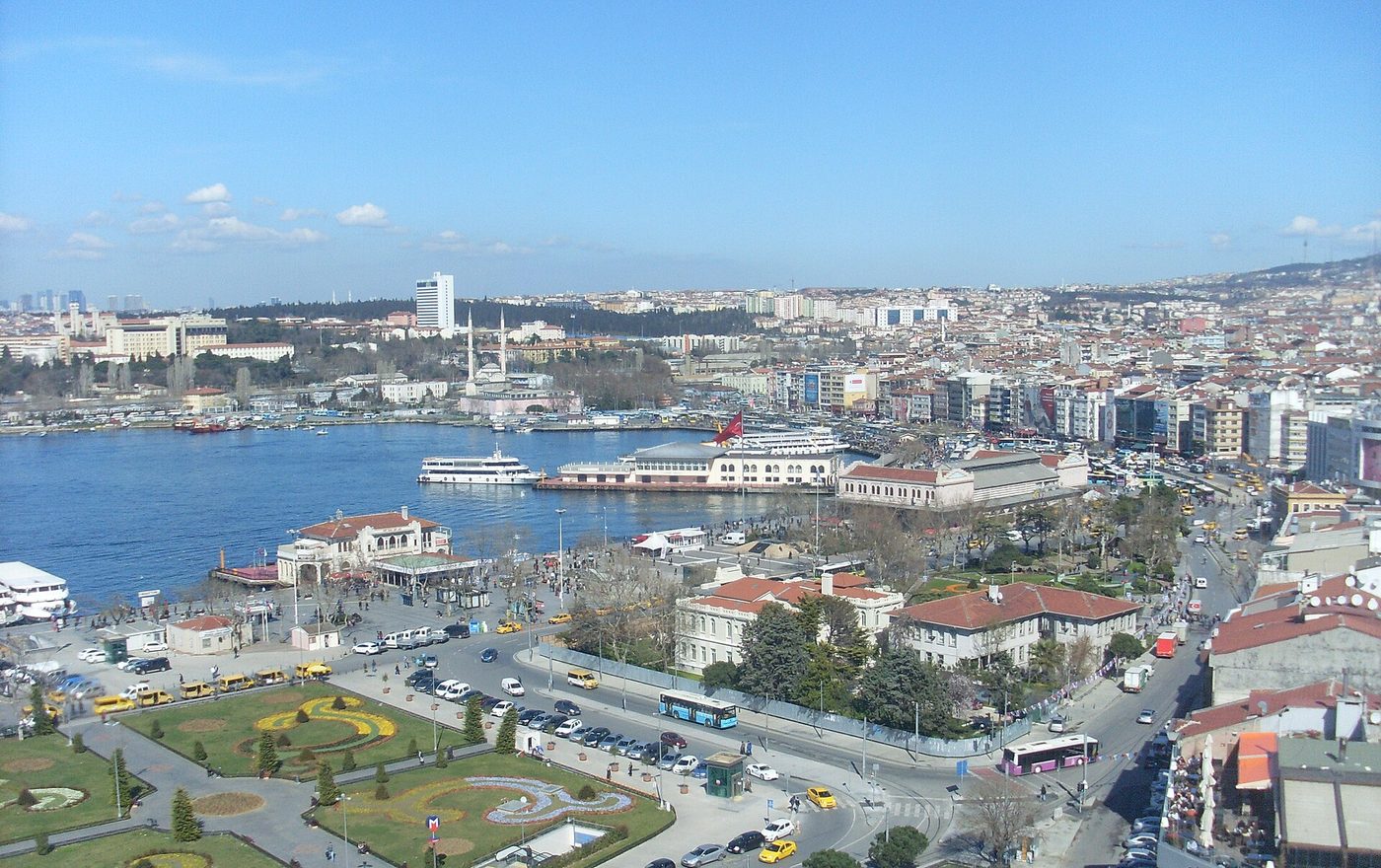
The ferry is both the appeal and the cost. Şehir Hatları’s current inner-city lines connect Kadıköy with Karaköy and Eminönü, Kabataş and Beşiktaş, so the commute to the European side is scenic and straightforward. But every day at the major monuments starts and ends with a crossing, and timetables vary by day and season. The M4 metro runs from Kadıköy to Sabiha Gökçen Airport, which is useful if your flights use SAW.
Choose Kadıköy if
- you have already seen the main monuments, or have four days or more;
- food, cafés and neighbourhood life matter more than being next to the sights;
- you are flying into or out of Sabiha Gökçen.
A note on Beşiktaş and other areas
Beşiktaş, on the European shore of the Bosphorus north of Kabataş, is another reasonable base, with municipal ferry links to Kadıköy and Kabataş. It is less central to the historic peninsula than Karaköy, so it suits travellers who already know the city. Areas further from the T1, M2 and ferry network can look cheaper on a map but often cost time on every sightseeing day.
Common mistakes when booking
- Judging distance on a flat map: Galata and Beyoğlu are on steep hills; a short distance can mean a hard climb.
- Ignoring the nearest station: look for a hotel near a T1, M2, F1 or ferry stop, and check the walk from it.
- Assuming late-night transport: Metro Istanbul lists T1, M2 and M4 operating hours of 06.00 to 00.00; plan late returns accordingly.
- Booking on İstiklal without thinking about noise: light sleepers should prefer side streets.
- Choosing Kadıköy for a very short first visit: it is a great base, but the ferry crossing uses time you may not have on a two-day trip.
What to do next
- Decide whether monuments, balance, nightlife or neighbourhood life is your priority.
- Match that priority to one of the four bases above.
- Shortlist hotels within an easy walk of a T1, M2 or ferry stop and check the slope of the street.
- Plan your airport transfer; see our Istanbul Airport to city centre guide.
- If you stay on either shore, read our guide to Istanbul ferries before you go.
Official sources
- Metro Istanbul: T1 Kabataş–Bağcılar tram
- Metro Istanbul: M2 Yenikapı–Hacıosman metro
- Metro Istanbul: F1 Taksim–Kabataş funicular
- Metro Istanbul: M4 Kadıköy–Sabiha Gökçen Airport metro
- Şehir Hatları: inner Istanbul ferry lines
- GoTürkiye: Historic Peninsula
- GoTürkiye: Karaköy
- GoTürkiye: Beyoğlu
- GoTürkiye: Kadıköy
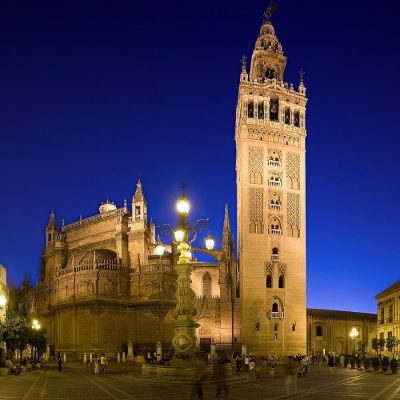
Featured image: Galata Tower rises above the Karaköy waterfront on the Golden Horn. Photo: Arild Vågen, CC BY-SA 3.0, via Wikimedia Commons. Sources accessed 17 October 2026; check operators for current service before travelling.
.jpg)


