Café Central is closed for renovation, but Vienna’s coffeehouse culture is not. For a traditional alternative, choose Café Sperl for a spacious old-school room near Naschmarkt, Café Hawelka for a compact artists’ café in the historic centre, or Demel when cakes and confectionery matter more than lingering over newspapers.
The three are not interchangeable. They sit in different parts of Vienna and reward different priorities. This guide helps you choose one without turning a coffee break into a checklist.
First: what happened to Café Central?
Café Central’s official site says its Palais Ferstel location closed on 16 March 2026 for a comprehensive renovation, with reopening scheduled for autumn 2026. Vienna’s official tourism site carries the same closure window. Until the main café reopens, the operator directs visitors to DECENTRAL, a temporary café at Palais Harrach on Freyung.
That means a 2026 itinerary should not treat Café Central as an automatic stop. If seeing the Palais Ferstel interior is the reason for your visit, wait for a confirmed reopening notice. If you mainly want a traditional coffeehouse experience, Vienna has several strong alternatives that are open independently of the renovation.
Quick answer: which coffeehouse should you choose?
| Choose | Best for | Main trade-off |
|---|---|---|
| Café Sperl | A spacious historic room, billiards and a slower classic coffeehouse break | It sits outside the Innere Stadt, so it works best with a Naschmarkt or Mariahilf day |
| Café Hawelka | Artists’ café character and a central stop between old-city sights | The intimate, dark room is less suited to travellers wanting a grand palatial interior |
| Demel | Cakes, pastries and imperial confectionery tradition | No reservations; it is more pastry-led than a long newspaper-and-billiards session |
| DECENTRAL | The official temporary Café Central alternative near Freyung | It is a modern counterpart, not the historic Palais Ferstel room |
If you have time for only one, pick by the surrounding day: Sperl with Naschmarkt or the MuseumsQuartier area, Hawelka with the historic centre, and Demel with Hofburg and Kohlmarkt.
Café Sperl: best for the full traditional-room experience
Vienna’s tourism office describes Café Sperl as a classic coffeehouse founded in 1880, with much of its historic interior character intact. Its marble tables, upholstered seating, newspapers and billiard tables make it the strongest choice of these three when the room itself is the point.
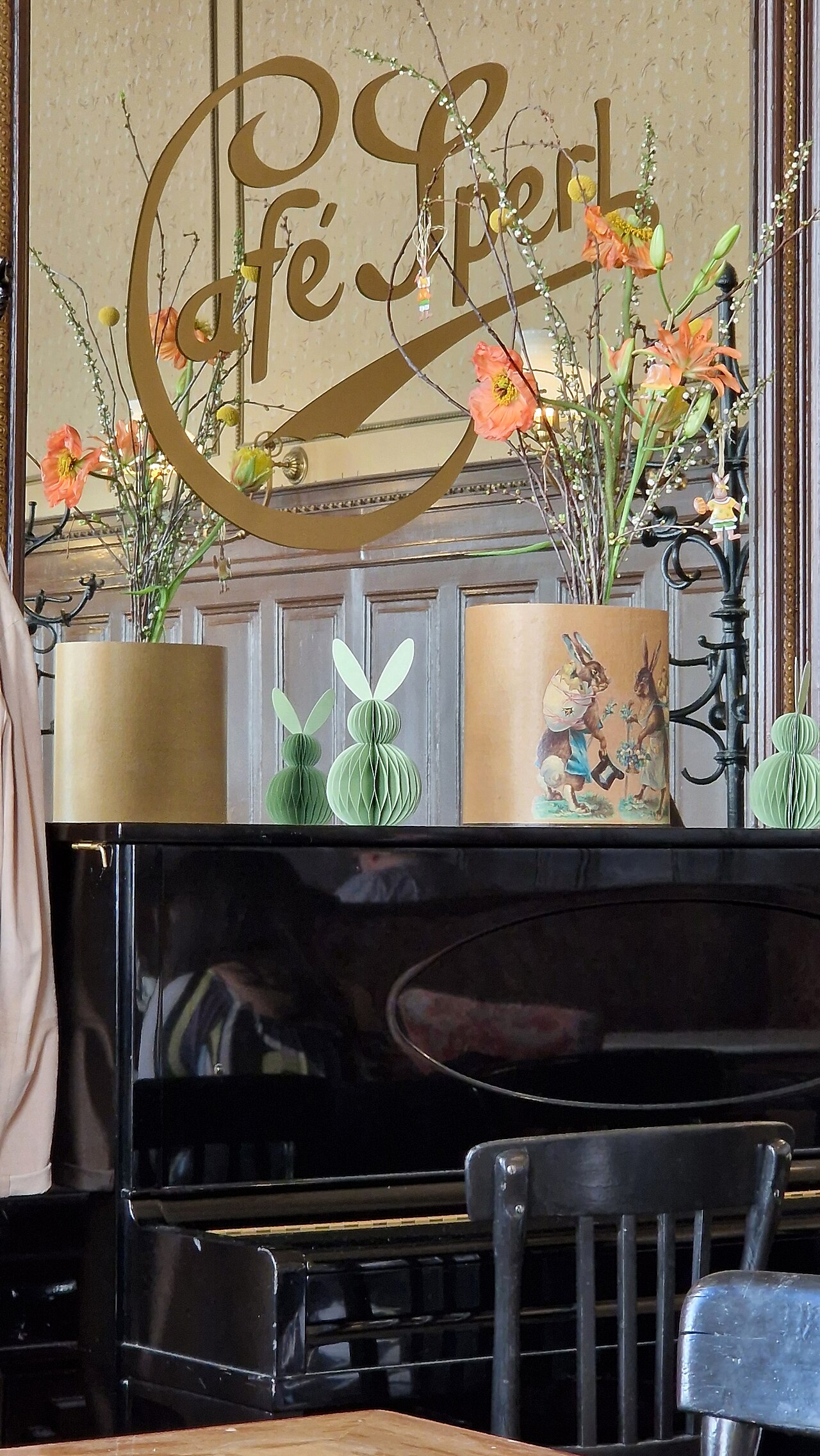
Sperl is in the 6th district, between Mariahilfer Strasse and Naschmarkt rather than inside the compact first-district sightseeing core. That location is an advantage when your day already includes the market, Secession, MuseumsQuartier or shopping around Mariahilf. It is less efficient if you are trying to fit coffee between St Stephen’s Cathedral and the Hofburg.
Choose Café Sperl if you want
- a long, unhurried coffeehouse pause rather than a quick pastry stop;
- a visibly historic interior with room to absorb the atmosphere;
- the option to pair coffee with billiards, newspapers or a slice of Sperl Torte;
- a natural stop on a Naschmarkt or Mariahilf itinerary.
What to plan around
Do not add Sperl as an accidental detour from the old city. Build it into a route that already reaches the 6th district. Check the official venue page or Vienna tourism listing before going, especially on Sundays, holidays and in summer, when schedules may differ.
Café Hawelka: best for literary and artists’ café character
Café Hawelka occupies a different corner of Vienna’s coffeehouse tradition. Its official history presents it as a family-run literary and artists’ café, still shaped by the Hawelka family across three generations. The room is darker, smaller and more intimate than the grand halls visitors often imagine when they hear “Viennese coffeehouse.”
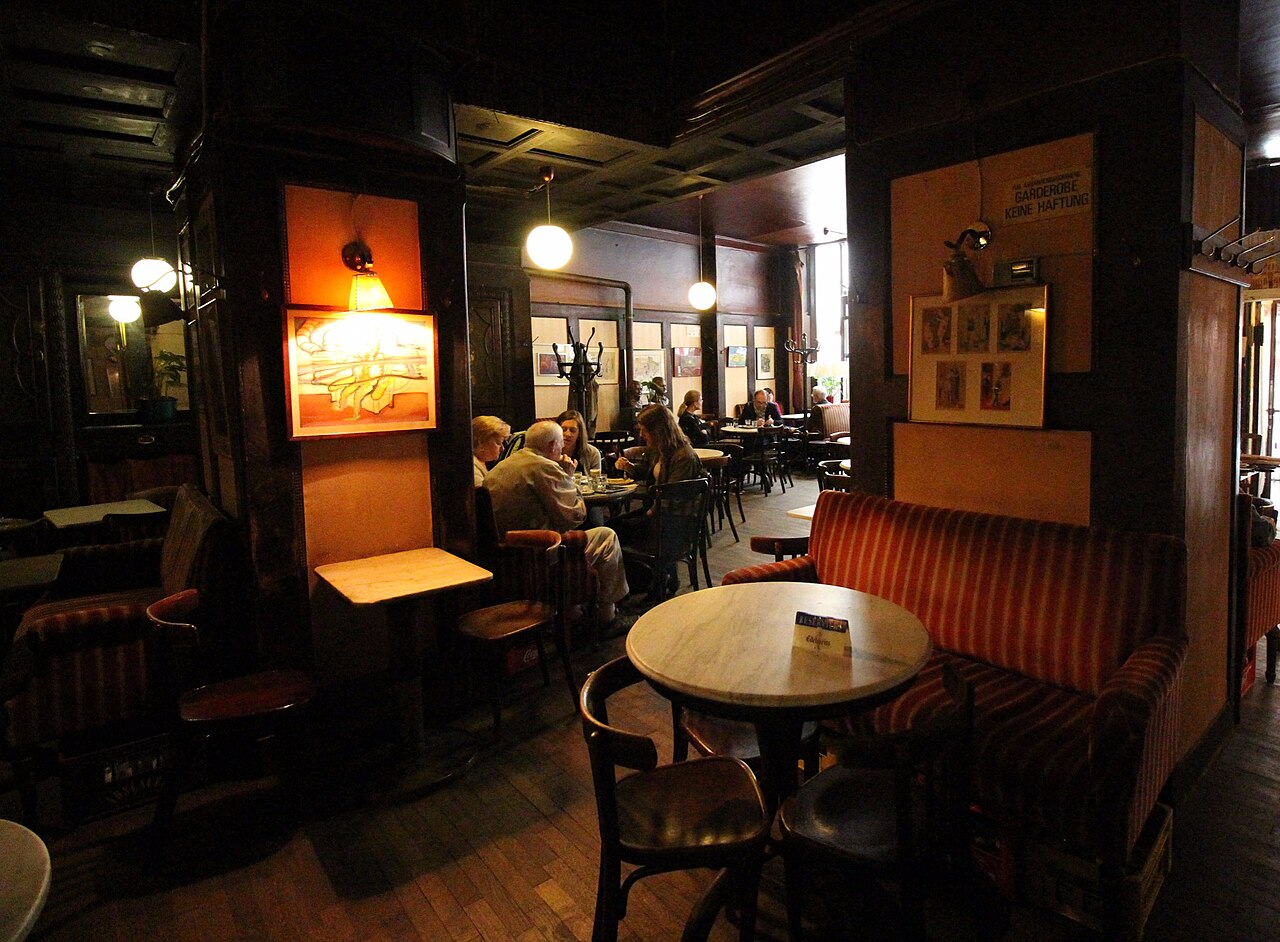
Hawelka’s practical strength is location. It is on Dorotheergasse in the 1st district, close to the old-city walking circuit. It can fit between the cathedral, Graben, Albertina, Hofburg and nearby shopping streets without reorganising the day.
The café’s official account links the premises to an interior designed by Rudolf Schindler and to the post-war writers, artists and intellectuals who used the room as a meeting place. You do not need a list of famous former guests to enjoy it; the useful distinction is that Hawelka feels like a lived-in cultural room, not a ceremonial hall.
Choose Café Hawelka if you want
- a traditional café that fits easily into a central sightseeing day;
- a literary and artistic identity rather than imperial polish;
- a compact, atmospheric room with visible layers of age;
- coffee before or after nearby museums and old-city sights.
What to plan around
Go because you like Hawelka’s character, not because you expect a Café Central lookalike. The setting is intimate and intentionally unchanged. If bright, ornate architecture is your priority, Sperl or another grand café may suit you better. Hawelka’s official site publishes current hours; check them before an evening visit.
Demel: best when pastry is the priority
Demel is the clearest choice for travellers who are deciding what to eat as much as where to sit. The official café page emphasises cakes, baked goods, coffee and Austrian sweet dishes, while the company traces its confectionery story to 1786.
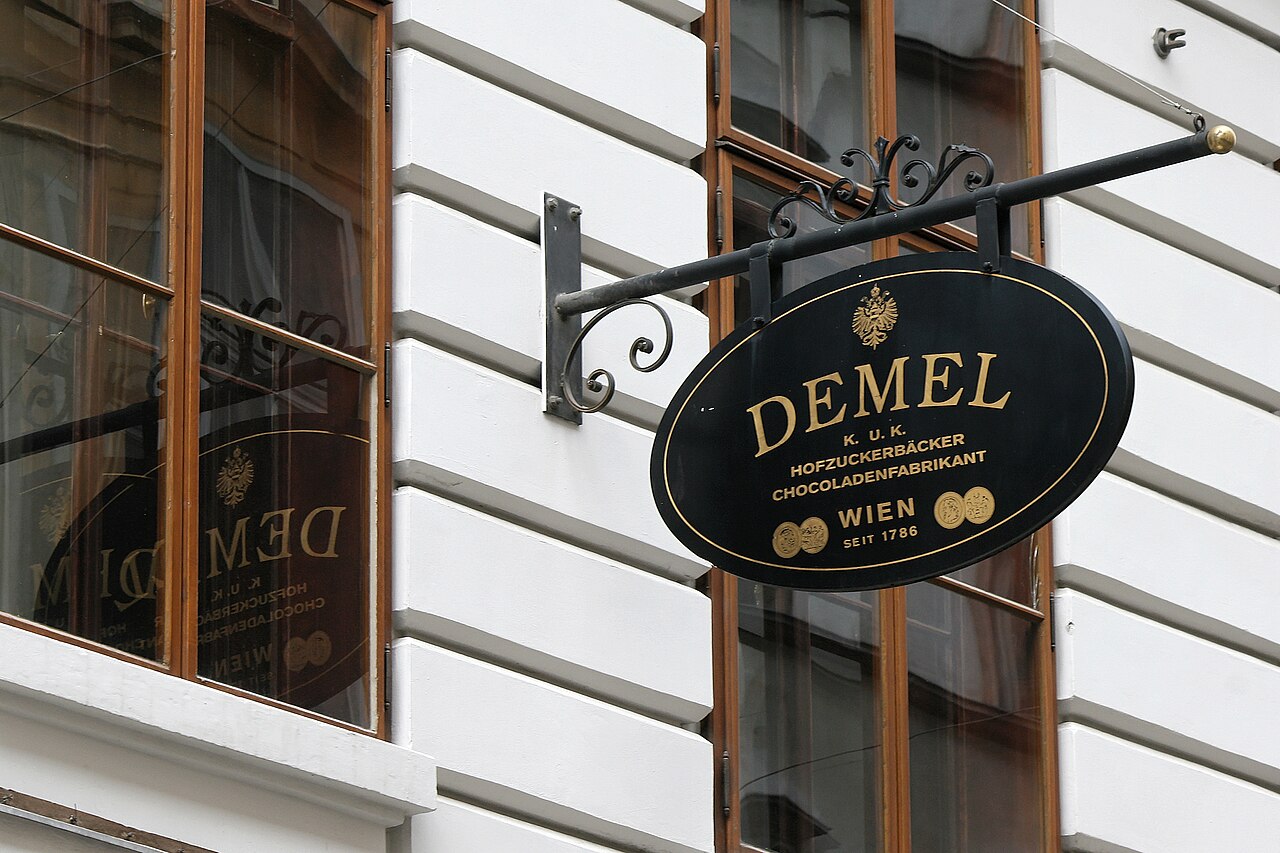
Its Kohlmarkt address makes it easy to combine with the Hofburg, Michaelerplatz, Graben and luxury-shopping streets. This is the most convenient option when your itinerary already passes through the imperial centre and you want a defined pastry stop rather than a cross-city diversion.
Demel’s official site says it does not take reservations. That makes timing important, but it does not justify predicting a queue. Visitor volume varies. Check the current opening information, keep the stop flexible and have a nearby alternative if the wait does not fit your day.
Choose Demel if you want
- pastry and confectionery to lead the decision;
- a central stop beside Hofburg and Kohlmarkt;
- an imperial-era sweets tradition rather than a billiards-and-newspapers room;
- a visit that can work as either a sit-down café stop or a shorter confectionery visit.
What to plan around
Demel is not the best substitute if your Café Central plan was mainly about sitting for hours in a large literary café. It is the best substitute if the cake display and confectionery craft were the attraction. Because reservations are not accepted, avoid anchoring a tightly timed museum booking to a promised table.
Should you visit DECENTRAL instead?
DECENTRAL is the operator’s official temporary alternative while Café Central is closed. It is at Palais Harrach on Freyung, close to the original location. Choose it if you want the current Café Central team and a nearby replacement without pretending that the temporary room reproduces Palais Ferstel.
For travellers comparing historic atmosphere, Sperl, Hawelka and Demel are more distinct choices. For travellers who specifically want the Café Central operator during the renovation, DECENTRAL is the direct answer. Confirm the latest arrangement on Café Central’s official website because the temporary setup should end when the main venue reopens.
A practical coffeehouse route through Vienna
Trying to visit all three in one day turns a cultural ritual into a sugar-heavy race. A better plan is to match one café to each neighbourhood day.
- Historic centre day: choose Hawelka for artists’ café atmosphere or Demel for pastry. They are close enough to the main old-city sights that the café can remain a pause, not a transport project.
- Naschmarkt and MuseumsQuartier day: choose Sperl. Its location makes sense when you are already west of the Ring.
- Café Central-specific day: check whether Palais Ferstel has reopened. If not, decide whether DECENTRAL’s operator connection matters more than a traditional historic room elsewhere.
If you want two contrasting experiences, pair Sperl and Hawelka on different days. Sperl shows the spacious, formal side of coffeehouse culture; Hawelka shows the intimate, artistic side. Add Demel only when confectionery is a separate priority.
How to use a Viennese coffeehouse well
Vienna’s official tourism material describes the coffeehouse as a place to meet, read, talk and spend time, not merely buy a drink. You do not need to perform a complicated ritual, but a few practical choices help.
- Leave enough time. A traditional coffeehouse works best as a real pause. If you have only fifteen minutes, a bakery or modern coffee bar may fit better.
- Read the menu before ordering. Viennese coffee names distinguish preparations. Choose based on what you want rather than assuming every term means the same thing.
- Keep the next booking flexible. Service pace and queues vary. Do not schedule a non-refundable timed entry immediately after a café stop.
- Check the venue’s current page. Hours, closures and reservation rules can change, especially during renovations or holidays.
- Choose one signature sweet only if you want it. Coffeehouse culture is not a requirement to order every famous cake in one sitting.
The best Café Central alternative for your trip
Choose Café Sperl when you want the most complete traditional-room experience and your route reaches Naschmarkt or Mariahilf. Choose Café Hawelka when you want literary, artists’ café character in the centre. Choose Demel when cakes and imperial confectionery are the real priority. Choose DECENTRAL when staying with the Café Central operator matters more than seeing a historic replacement.
The closure does not leave a gap in a Vienna itinerary. It simply forces a better question: which part of coffeehouse culture do you actually want?