Choose the Grand Bazaar for the widest historic shopping experience, the Spice Bazaar for a compact food-focused stop, or Kadıköy Market for a neighbourhood food day on Istanbul’s Asian side. If this is your first short visit and you can see only one, the Grand Bazaar is the most distinctive all-round choice. If food gifts matter more than crafts, choose the Spice Bazaar. If you want lunch, specialist food shops and a less monument-led afternoon, cross to Kadıköy.
These markets are not interchangeable. They sit in different parts of the city, reward different amounts of time and sell different mixes of goods. The comparison below helps you decide where to go before you lose half a day crossing Istanbul for the wrong kind of market.
Istanbul markets at a glance
| Market | Best for | Typical visit | Main trade-off |
|---|---|---|---|
| Grand Bazaar | Historic atmosphere, crafts, jewellery, textiles and broad choice | Focused walk or a longer shopping session | Its size and sales intensity can overwhelm a casual browser |
| Spice Bazaar | Spices, tea, dried fruit, sweets and an easy Eminönü stop | Compact visit with surrounding food streets | Smaller range and a busy visitor circuit |
| Kadıköy Market | Fish, produce, specialist food shops, eating and neighbourhood life | Half-day with lunch and nearby streets | Requires a separate Asian-side journey for many first-time itineraries |
The time ranges are deliberately flexible. Crowds, shopping conversations and the exact route matter more than a stopwatch. Check current opening information before travelling, especially around public and religious holidays.
Choose the Grand Bazaar for history and range
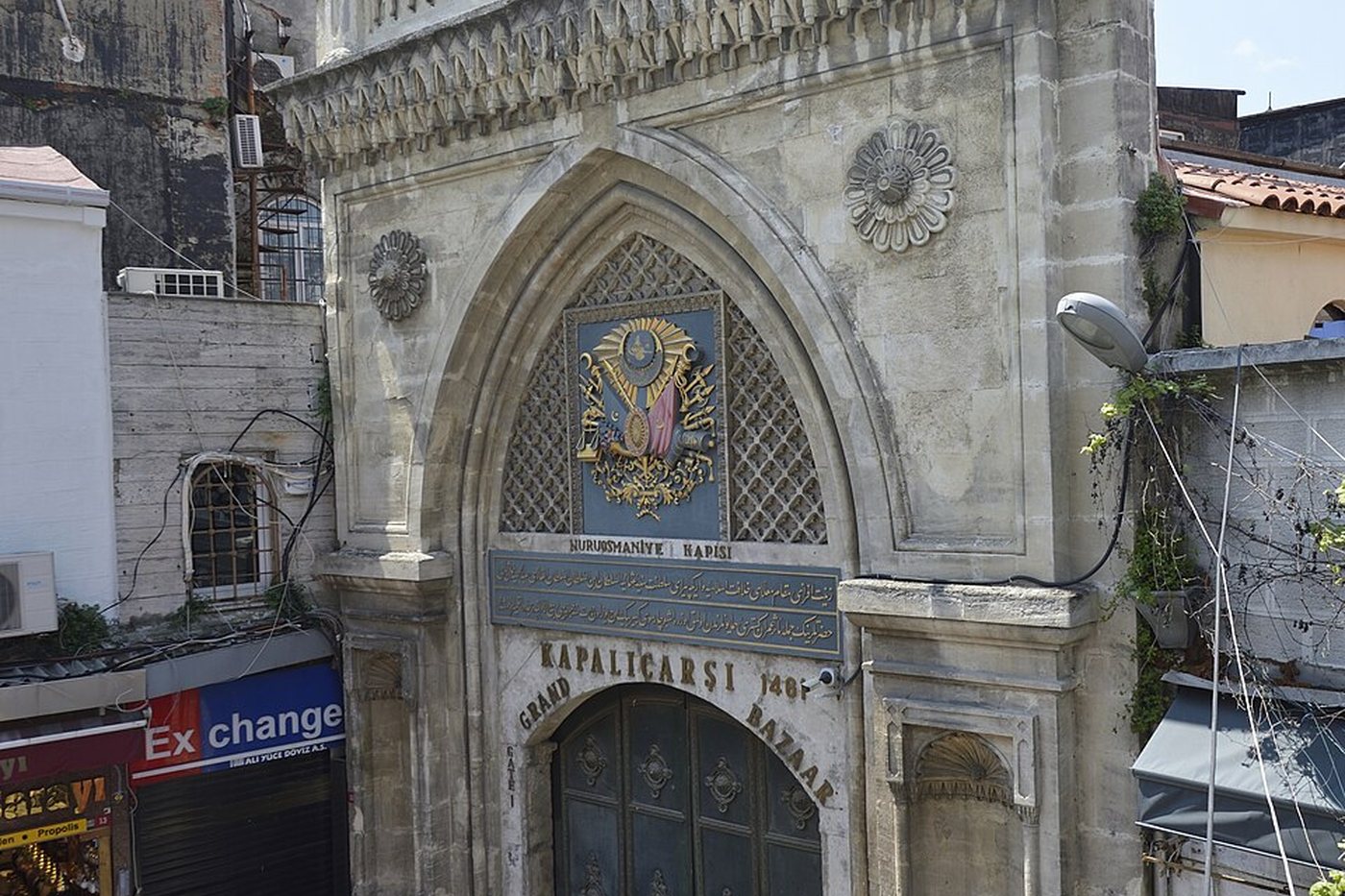
GoTürkiye describes the Grand Bazaar as one of the world’s oldest and largest covered markets, with roots in the 15th century and a network of 61 covered streets. The point of a visit is not one must-buy object. It is the combination of vaulted lanes, gates, courtyards and specialist trading areas that grew around Istanbul’s historic commercial centre.
The merchandise is broad: carpets and textiles, jewellery, ceramics, lamps, leather goods, metalwork, antiques and souvenirs all appear within the wider bazaar. That range makes the Grand Bazaar the strongest single choice for a first-time visitor who wants both a landmark and a shopping experience.
Who will enjoy it most?
- First-time visitors who want one market with a strong historic setting.
- Travellers comparing ceramics, textiles, jewellery or decorative objects.
- People who enjoy browsing and are comfortable declining sales invitations.
- Photographers interested in architecture, shopfronts and covered lanes.
What is the drawback?
Choice can become friction. The bazaar is large enough that an unplanned visit turns into repeated versions of the same shopping conversation. Decide before entering whether you are sightseeing, researching a purchase or ready to buy. Choose a gate as a meeting point, save it on your map and do not promise to “come back later” unless you record the shop location.
For expensive items, slow down. Ask what the material is, who made it, what documentation is included and how the item will be packed. Compare several shops. A friendly conversation does not create an obligation to purchase, and a quoted discount is not evidence of value.
Choose the Spice Bazaar for a compact food stop
The Spice Bazaar, also called Mısır Çarşısı, is a 17th-century covered market in Eminönü beside the New Mosque. Official tourism sources describe stalls selling spices, tea, dried fruit, nuts, sweets, seeds and delicatessen goods. It is considerably smaller than the Grand Bazaar, which makes it easier to understand on a busy sightseeing day.
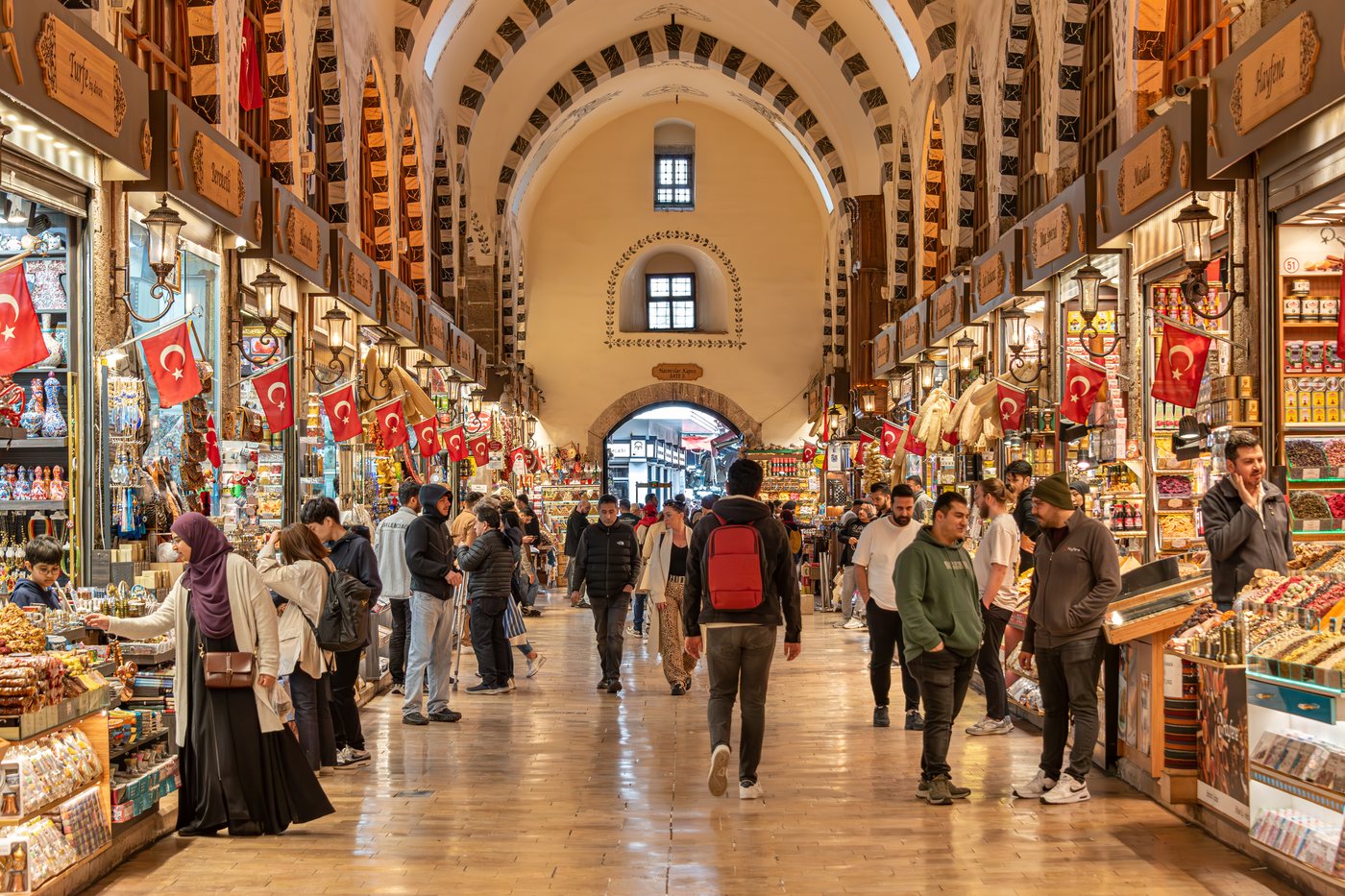
Choose it when your list contains edible gifts rather than homewares or clothing. It also fits naturally with Eminönü: the streets outside extend into coffee, cheese, olives, fish, sweets and other food businesses. Treat the covered hall and its surroundings as one district rather than walking only down the central aisle and leaving.
Who will enjoy it most?
- Travellers looking for compact, easy-to-pack food gifts.
- Visitors already planning the waterfront, New Mosque or nearby historic peninsula.
- People who want market colour without navigating the Grand Bazaar’s scale.
- Food-focused travellers who will also explore the surrounding streets.
What should you check before buying food?
Ask for the price by weight before a bag is filled. Confirm the currency and total, inspect the sealed package and ask whether the product is suitable for your route home. Border rules for meat, dairy, seeds, fresh produce and plant products vary by destination. Your own customs authority is the final source, not a shop’s general assurance.
For spices and tea, buy an amount you will realistically use. Colourful blends may be appealing, but the label should tell you what is inside. If allergies matter, ask about ingredients and cross-contact; skip any product when the answer is unclear.
Choose Kadıköy Market for food and neighbourhood life
Kadıköy Market is different in form and purpose. It is an open street district rather than one monumental covered building. GoTürkiye describes fresh produce, fish, confectioners, pastry shops, spice sellers, coffee shops and restaurants used by local shoppers as well as visitors. Its food streets centre on Güneşlibahçe Sokak and Söğütlüçeşme Caddesi, a short walk inland from the ferry area.
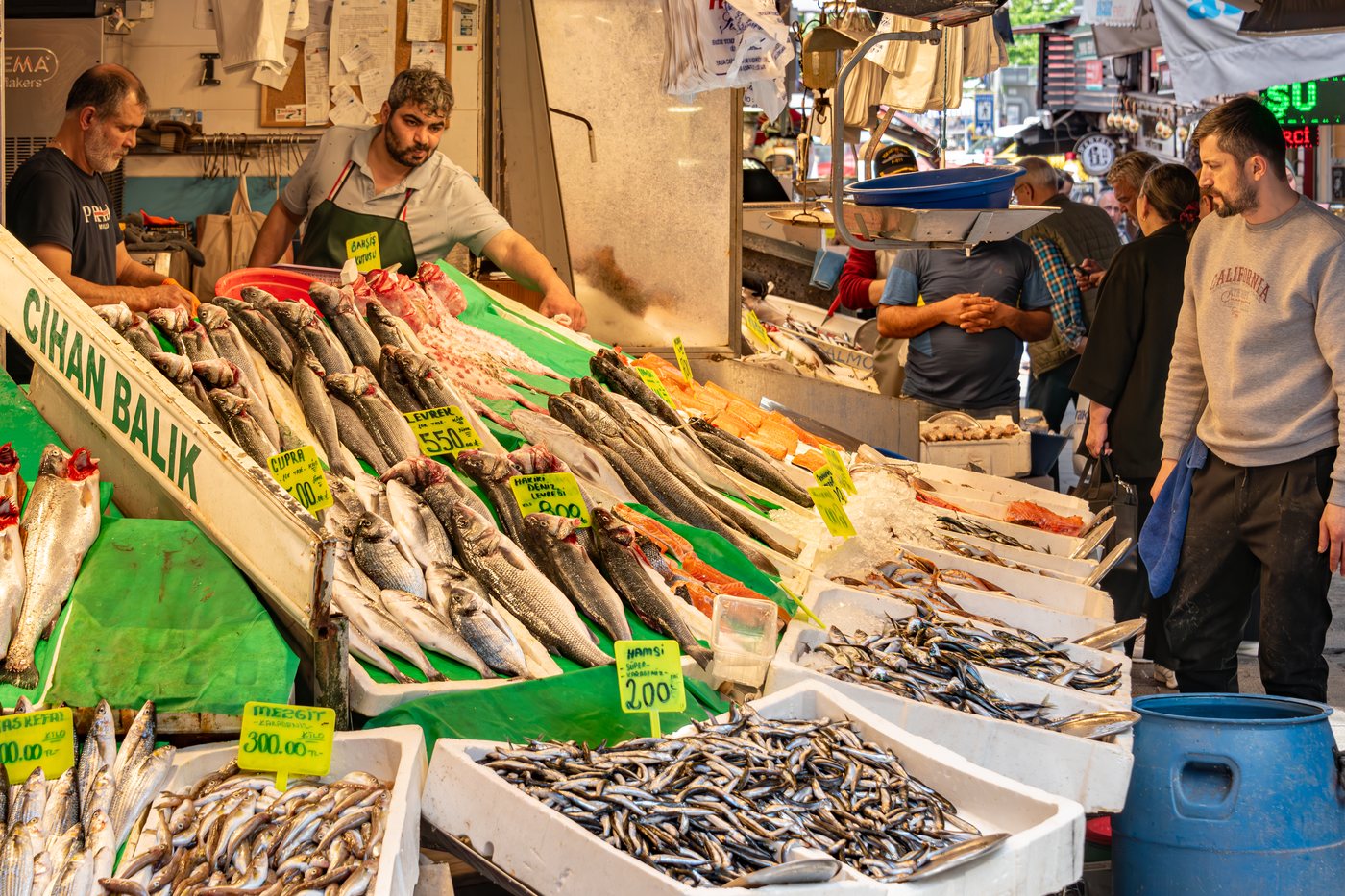
Choose Kadıköy when the market is the beginning of a neighbourhood visit, not a box to tick between monuments. Browse food shops, stop for lunch, continue toward cafés and small shops, or pair the market with Moda. The journey across the Bosphorus also becomes part of the day.
Who will enjoy it most?
- Repeat visitors seeking a different side of Istanbul.
- Travellers who would rather eat than shop for souvenirs.
- People combining a market with cafés, bars, bookstores or Moda.
- Visitors who enjoy ferry travel and can give the Asian side a half-day.
What is the drawback?
Kadıköy is a poor add-on when your day is already packed with historic-peninsula sights. Even when the ferry ride itself is enjoyable, reaching the pier, waiting, crossing and orienting yourself all consume time. Give the district a clear meal or neighbourhood purpose. If you only need a quick food-gift stop, the Spice Bazaar is usually the more efficient choice.
Our guide to Istanbul ferries explains when Kadıköy, Üsküdar or a Bosphorus cruise fits your plan. Always check the current official ferry timetable on the day rather than relying on a saved schedule.
Can you visit two markets in one day?
Yes, but the right pair depends on what you want to compare.
- Grand Bazaar plus Spice Bazaar: the efficient first-visit pair. Both sit on the historic side and show the contrast between a vast craft-led bazaar and a compact food market. Walk between them only if your mobility, weather and schedule suit the route; otherwise use current public-transport guidance.
- Spice Bazaar plus Kadıköy: the food-led pair. Explore Eminönü, then cross by ferry and continue with a meal in Kadıköy. This is the clearest way to compare a historic covered bazaar with a living neighbourhood market.
- Grand Bazaar plus Kadıköy: the broadest contrast, but also the biggest planning commitment. Choose it when shopping and neighbourhood food are the main purpose of the day.
Trying all three in one day is possible on a map and often unsatisfying in practice. It leaves less time to compare shops, eat, handle purchases and enjoy the ferry. For most travellers, two markets with a proper meal will produce a better day than three rushed walk-throughs.
How to shop without pressure
- Set your purpose. Decide whether you are browsing, researching or buying before the first sales conversation.
- Ask for the full price. Confirm currency, unit, weight, included accessories and payment method.
- Compare like with like. Material, size, workmanship and provenance matter more than the size of a claimed discount.
- Keep control of payment. Review the amount on the terminal and keep the receipt for significant purchases.
- Leave when uncertain. A pause is useful. For a costly object, photograph the shop card and product details if the seller permits it.
Bargaining may be part of some transactions, but it is not a performance you must win. Be polite, name a price you would genuinely pay and stop when the purchase no longer feels clear. Food shops with displayed prices may work more like ordinary retailers.
Accessibility, crowds and practical planning
Covered does not mean step-free. Historic lanes can have uneven surfaces, thresholds and dense foot traffic. Kadıköy’s market streets bring kerbs, deliveries and outdoor conditions. If mobility access is essential, ask the relevant venue or tourism office about the exact entrance and route before travelling.
Go early in your chosen market’s operating day if you want easier orientation, but verify current hours first. Keep bags closed in crowded lanes and split valuables rather than storing everything in one pocket. These are sensible city habits, not a claim that a specific market is unsafe.
Carry a reusable bag that can protect fragile packages, plus a smaller sealed bag for food. Leave luggage at your accommodation or an established storage service; narrow market lanes are not a good place to manage a large suitcase.
Which Istanbul market should you choose?
Choose the Grand Bazaar if this is your first trip, you want a major historic sight and you are interested in crafts, textiles, jewellery or broad browsing. Allow enough time to orient yourself and compare shops.
Choose the Spice Bazaar if your day centres on Eminönü, your shopping list is mostly edible or you want the shortest self-contained market visit. Extend the experience into the food streets outside.
Choose Kadıköy Market if lunch, specialist food shops and neighbourhood atmosphere matter more than monumental architecture. Treat the ferry and the surrounding district as part of the plan.
If you remain undecided, use a simple rule: first-time sightseeing favours the Grand Bazaar; food gifts favour the Spice Bazaar; an unhurried food afternoon favours Kadıköy.