The Paris Museum Pass is worth buying when your confirmed plan includes enough paid museums and monuments inside one 48-, 96- or 144-hour window. It is poor value for a relaxed two-attraction trip, travellers who already qualify for free entry, or anyone who has not secured required time slots.
The useful question is not how many attractions the pass advertises. It is how many included places you genuinely want to enter, what you would otherwise pay, and whether they fit without turning Paris into a queue-to-queue exercise.
Paris Museum Pass prices at a glance
| Pass | Official price | Official average break-even guide | Best fit |
|---|---|---|---|
| 2 days / 48 hours | €85 | From about the 4th visit | A focused central-Paris museum plan |
| 4 days / 96 hours | €105 | From about the 5th visit | Most first trips combining major museums and monuments |
| 6 days / 144 hours | €125 | From about the 6th visit | Longer stays with several cultural days and a day trip |
These are official prices accessed on 9 October 2026. Some sales networks apply service fees. Prices and conditions can change, so check the current official page before paying.
What the pass actually includes
The pass covers one entry to each participating museum or monument during its validity. The official network includes major names such as the Louvre, Musée d’Orsay, Sainte-Chapelle, Arc de Triomphe, Panthéon, Musée Rodin and the Palace of Versailles.
It generally covers permanent collections. Temporary exhibitions are excluded, and some sites impose their own access conditions. The Eiffel Tower, public transport, river cruises and general sightseeing activities are not standard Paris Museum Pass benefits. Those belong to different tickets or broader city-pass products.
The fastest way to decide if it saves money
- Write down only must-see attractions. Do not count a museum simply because it is included.
- Remove places where you qualify for free entry. Many venues are already free for under-18s and qualifying EU residents aged 18–25.
- Add the current individual prices. Use the official site for each attraction on your travel date.
- Compare that total with the pass plus any service fee.
- Check the clock and reservations. A theoretical saving is useless if the visits do not fit or required slots are unavailable.
The official pass site currently lists headline admissions of €32 for the Louvre, €25 for Versailles, €22 each for Sainte-Chapelle and the Arc de Triomphe, and €16 for Musée d’Orsay. Four of those expensive sites can exceed the 48-hour pass price, while a plan built around two or three lower-priced museums may not.
The 2-day pass: valuable only with a tight route
The €85 pass runs for 48 consecutive hours from first use. It can work for a traveller who wants several paid central sites and is comfortable planning around reservations. A Louvre, Sainte-Chapelle, Arc de Triomphe and Musée d’Orsay combination uses current headline prices totalling more than the pass, but the itinerary still has to make sense.
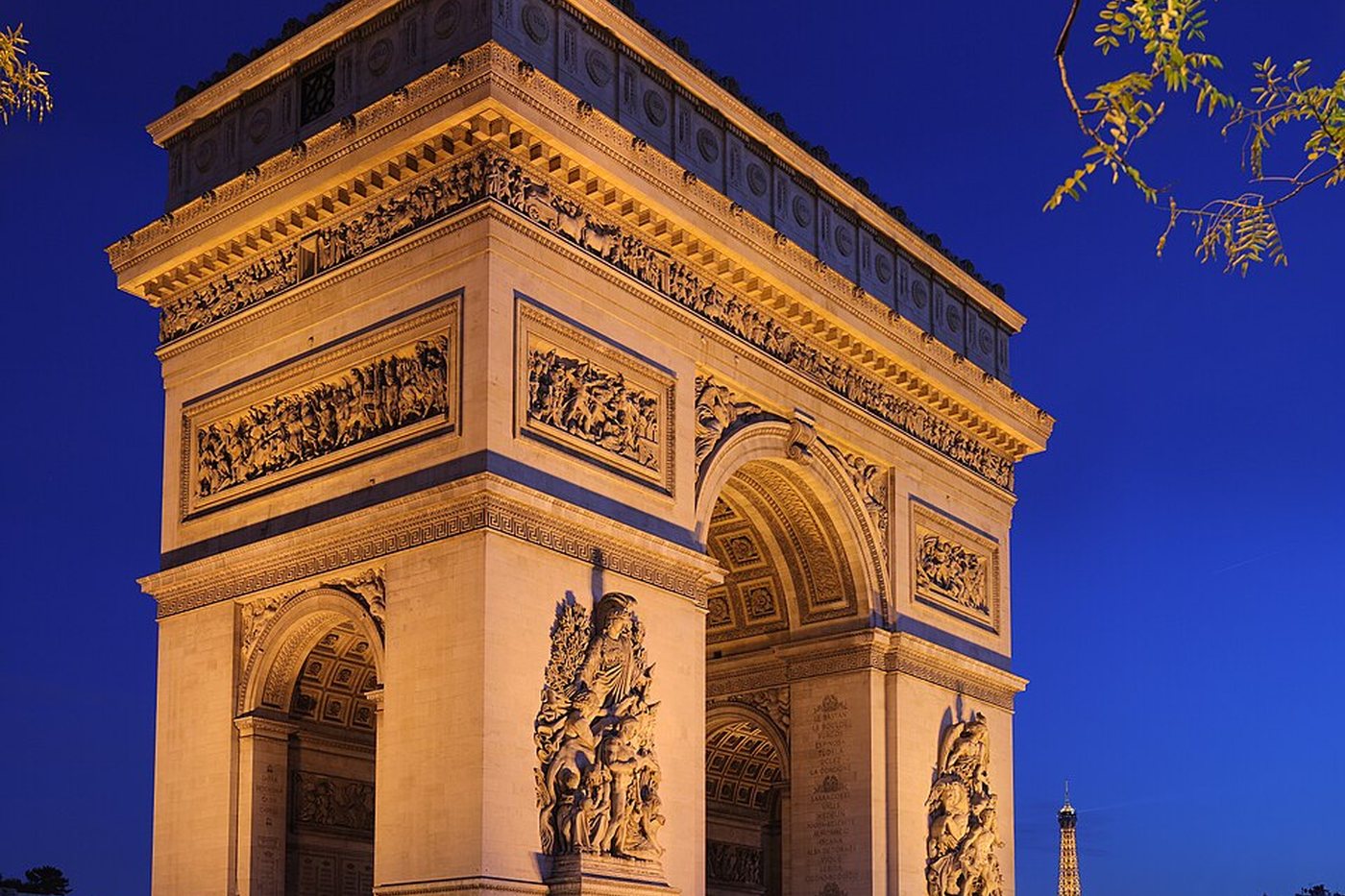
Do not schedule four major museums simply to win the calculation. Use one or two long visits, then add monuments that suit the same neighbourhood and your energy. Sainte-Chapelle pairs naturally with the historic centre; the Arc de Triomphe works as a shorter monument visit at another point in the day.
Choose 48 hours if
- you have at least four payable priorities;
- your Louvre and Musée d’Orsay slots are already compatible;
- most sites are in central Paris;
- you enjoy two substantial cultural visits in a day.
Skip it if
- the Louvre plus one other museum is your full plan;
- you want long café, park and neighbourhood breaks;
- your free-entry status removes most admission costs;
- the remaining reservation slots force an awkward route.
The 4-day pass: the most flexible first-trip option
The €105 pass gives 96 consecutive hours. The price is only €20 above the 48-hour option, so it is easier to reach without stacking every day. It suits a first trip with the Louvre, Musée d’Orsay, several monuments and either Versailles or another larger site.
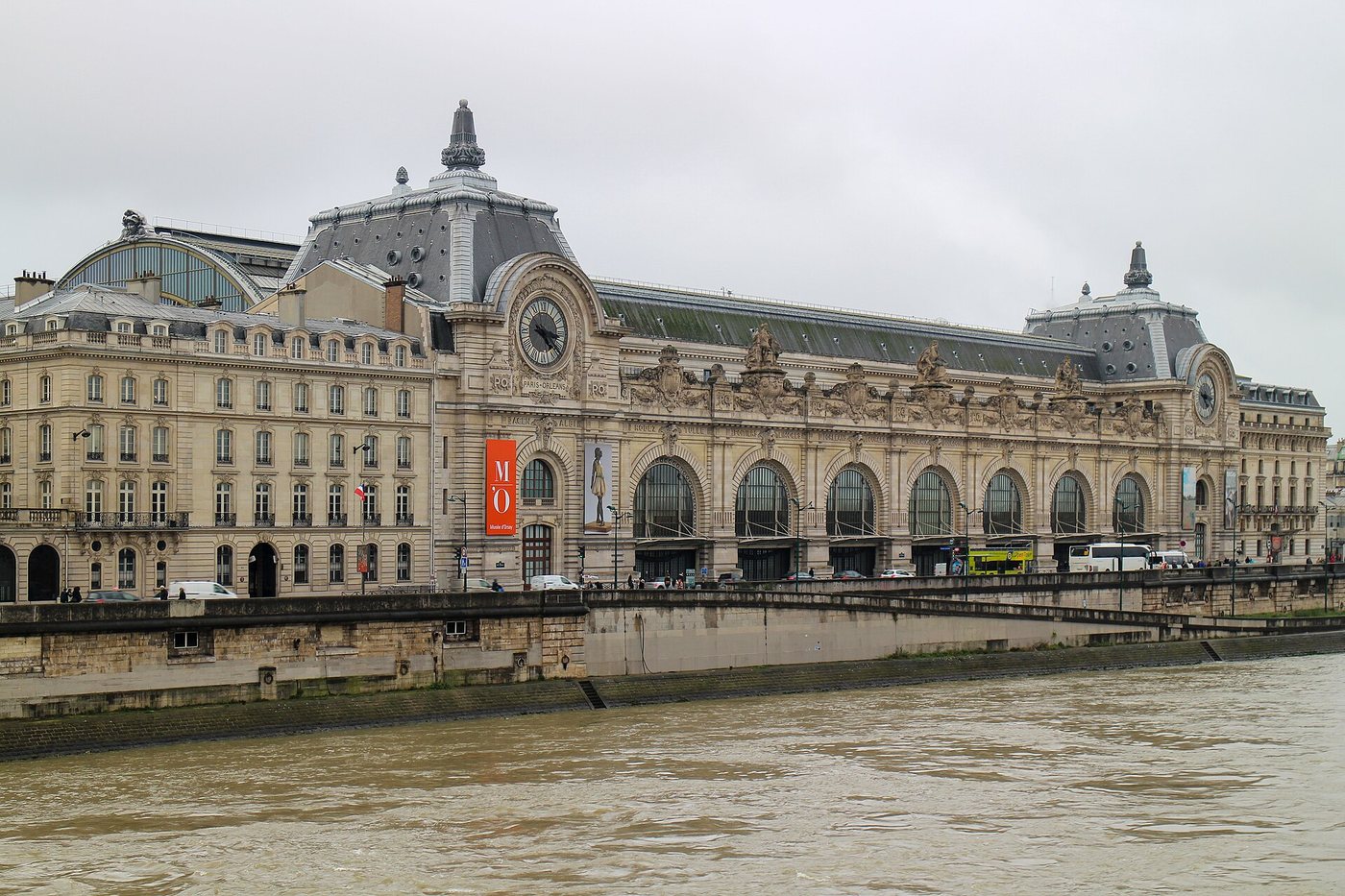
Four days also let you group visits by geography. You might pair the Louvre with the nearby decorative-arts area, use another day for Musée d’Orsay and Musée Rodin, and reserve a separate block for the historic centre. That creates useful breathing room rather than treating the pass as a competition.
The trade-off is commitment. Once activated, the 96-hour clock keeps running through meals, closed days and any non-museum plans. Start it at your first serious visit, not automatically on arrival in Paris.
The 6-day pass: buy it for depth, not the daily rate
The €125 pass is valid for 144 hours. Its per-day cost is lowest, but that does not make it the automatic value winner. It works when your stay already contains six or more included places, with enough variety to avoid museum fatigue.
A longer pass is helpful if you want the large museums, several monuments and an out-of-centre visit such as Versailles. It is less useful when a six-day trip also includes shopping, food tours, Disneyland Paris, the Eiffel Tower or long neighbourhood days, because those experiences do not become more valuable through this pass.
Versailles can change the calculation
The Palace of Versailles and Trianon are included, and the official pass comparison currently uses €25 as the individual headline price. That can make a four- or six-day pass easier to justify. But Versailles consumes much more than its entrance price: travel, security, the palace visit and the wider estate can take most of a day.
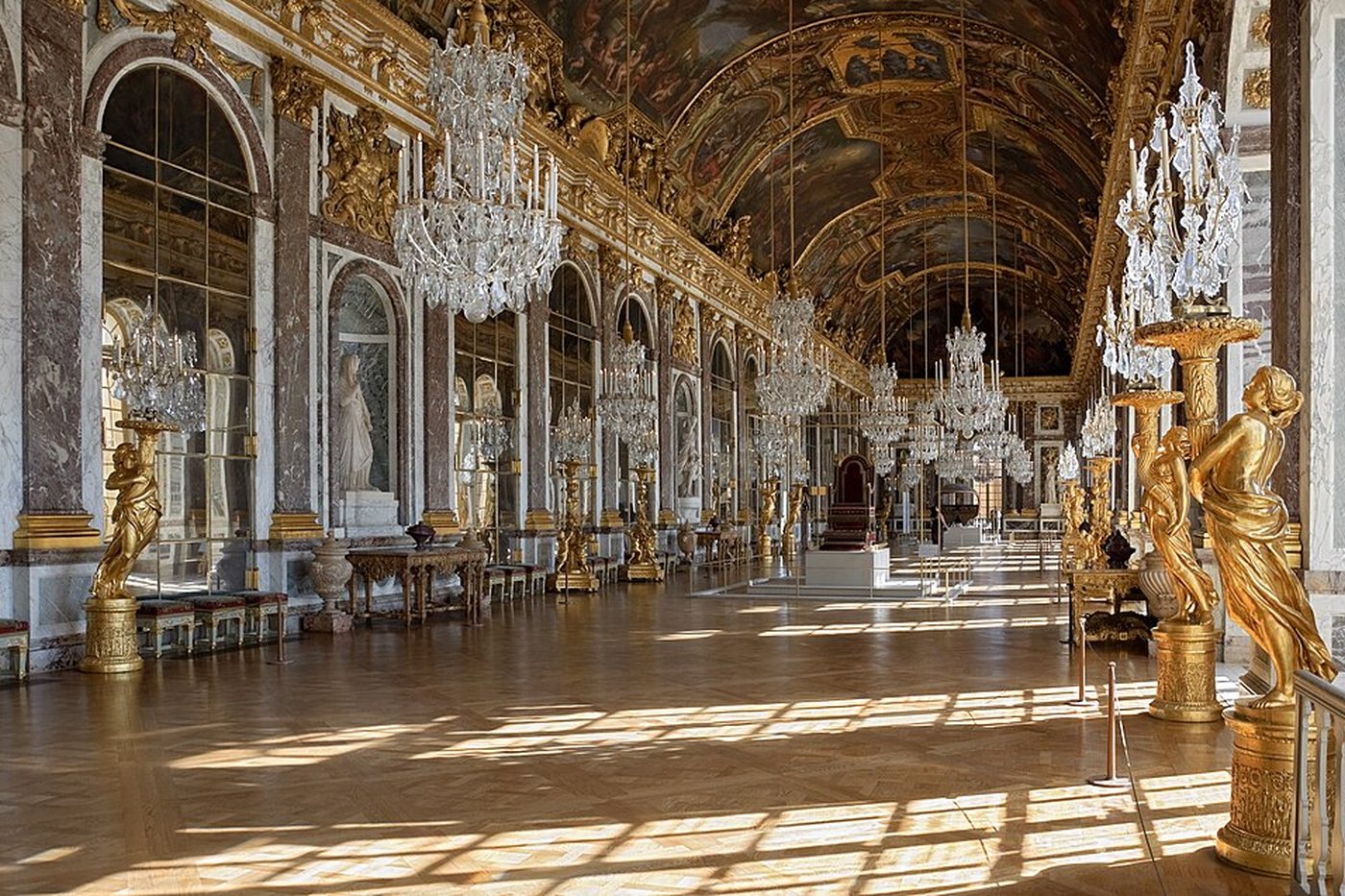
A timed reservation is mandatory for palace entry. The pass does not provide skip-the-line access at security, and it does not cover the gardens during Musical Fountains Shows or Musical Gardens. Count Versailles when you truly want that day trip, not as an easy extra visit.
Reservations matter more than “skip the line”
The pass lets you bypass ticket purchase at many places, but it does not erase capacity limits or security. Only a reserved slot guarantees Louvre access. Versailles palace entry needs a reservation. Musée d’Orsay requires a slot from 10 March 2026 during its reception-area renovation, currently stated to continue into summer 2028.
Reserve the hard-to-get sites before buying a non-refundable pass where possible. A pass holder reservation is normally free, but availability is limited. Failure to obtain a slot is not a refund reason.
When the pass is usually poor value
You qualify for free admission
Do the calculation from your own payable prices. A family may need passes for adults while children enter many museums free. Young EU residents may also qualify for free entry at many places with proof.
You mainly want temporary exhibitions
The pass does not generally cover temporary exhibitions. Check the exact ticket needed rather than assuming the museum name means every exhibition is included.
You prefer one major museum per day
A slower trip can be better with individual tickets. The pass’s value rises with several paid visits inside a fixed clock; it falls when cultural days are separated by shopping, parks or neighbourhood exploration.
Your shortlist includes non-included icons
Do not buy this product expecting Eiffel Tower entry or transit. Compare it separately with the official Paris City Pass and transport products if those extras matter, and check exactly what each package includes.
A practical four-step booking order
- Freeze your must-see list. Use the official included-sites list.
- Secure required reservations. Start with the Louvre, Versailles and Musée d’Orsay.
- Choose the shortest pass that contains the confirmed visits. Remember the clock begins at first use.
- Group the rest by neighbourhood and closure day. Leave room for security, meals and walking.
If you are still choosing a base, our Paris neighbourhood guide can help reduce cross-city travel between reserved visits.
The practical answer
Buy the 48-hour pass for a compact four-site plan, the 96-hour pass for a varied first trip, and the 144-hour pass only when you already want a deep cultural week. Skip all three when free-entry eligibility, missing reservations or a relaxed itinerary removes the financial advantage.
Use current official prices and confirmed slots, then activate the pass at the first included visit. That produces a better decision than counting every possible attraction.